Aquasoil · the planted foundation
Nutrient-rich soil for rooted plants, stems, and carpets. Active soils can alter water chemistry; check the product’s guidance for your livestock.

THE WET LEAF · AQUARIUM SUBSTRATE CALCULATOR
Plan your substrate, find the right amount, and give your plants a foundation to thrive.
Calculate my substrate01 / PLAN YOUR FOUNDATION
Use your tank’s inside length and width. Enter equal front and back depths for a flat bed, or different depths for a gentle slope.
YOUR SUBSTRATE PLAN
02 / CHOOSE YOUR MATERIAL
Substrate anchors roots, supports beneficial bacteria, and shapes the landscape. Match the material to the area you’re building.
Nutrient-rich soil for rooted plants, stems, and carpets. Active soils can alter water chemistry; check the product’s guidance for your livestock.
A fine-textured finish for pathways and open areas. Plants can grow in suitable sand with root nutrition. Grain size and composition matter for livestock and water chemistry.
A durable, open-grained substrate for general layouts. Inert gravel needs added nutrition for root feeders; choose a grain size suited to your plants and fish.
A common starting point for a planted layout is 3–5 cm at the front and 6–10 cm at the back. Adjust for plant roots, tank size, and hardscape.
Browse our current range by material and purpose. Product pages show available sizes and stock.
Nutrient-rich planting soils; estimate coverage in litres.
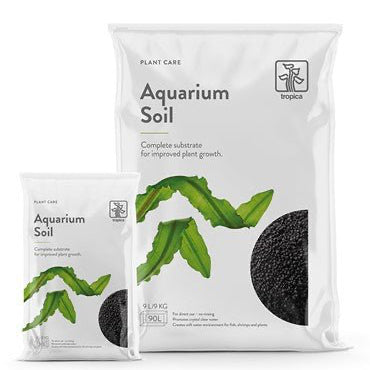
Normal 3L · Normal 9L
View product →
3L · 9L
View product →
2L · 5L
View product →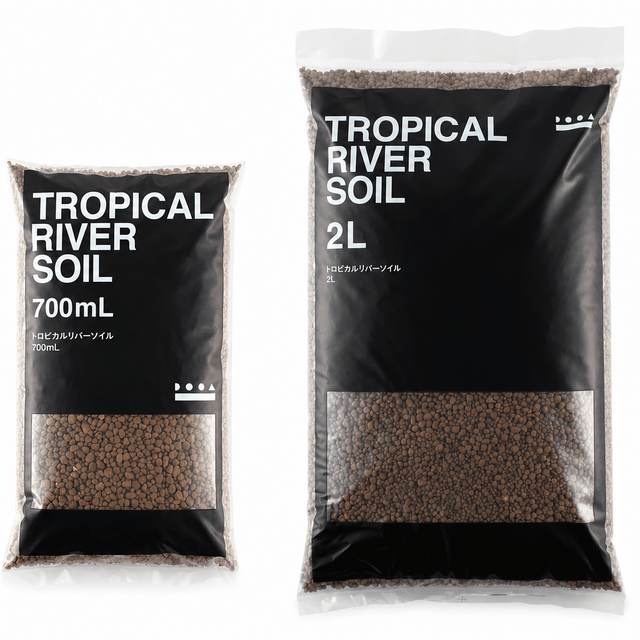
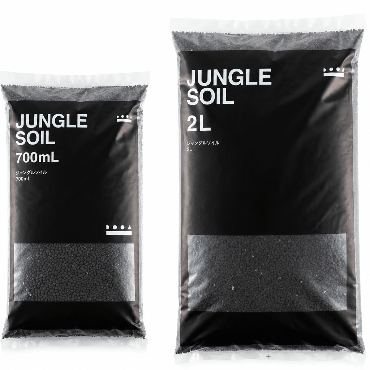
700ml · 2L
View product →Fine-grained soil for small tanks or surface layers. Calculate a cap separately.

Powder 3L · Powder 9L
View product →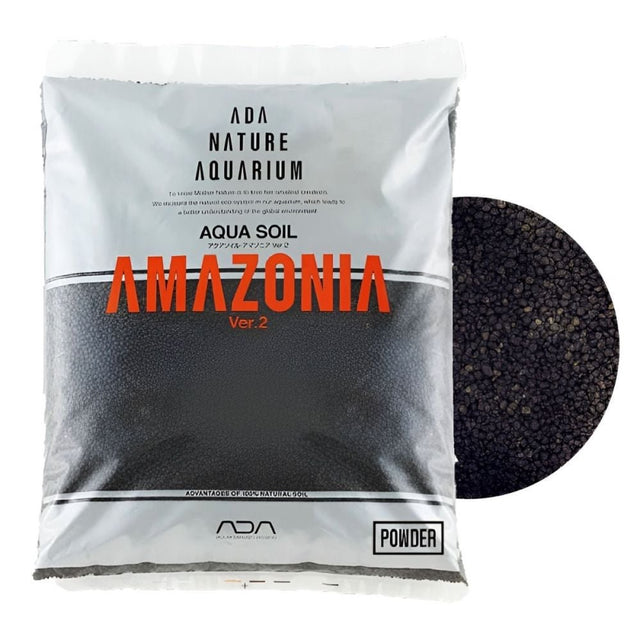
3L · 9L
View product →Open foregrounds and pathways. Weight estimates vary with the material.
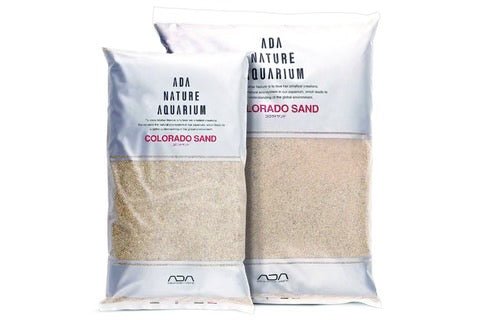
2Kg · 8Kg
View product →
2Kg · 8Kg
View product →
Default Title
View product →
Default Title
View product →
Default Title
View product →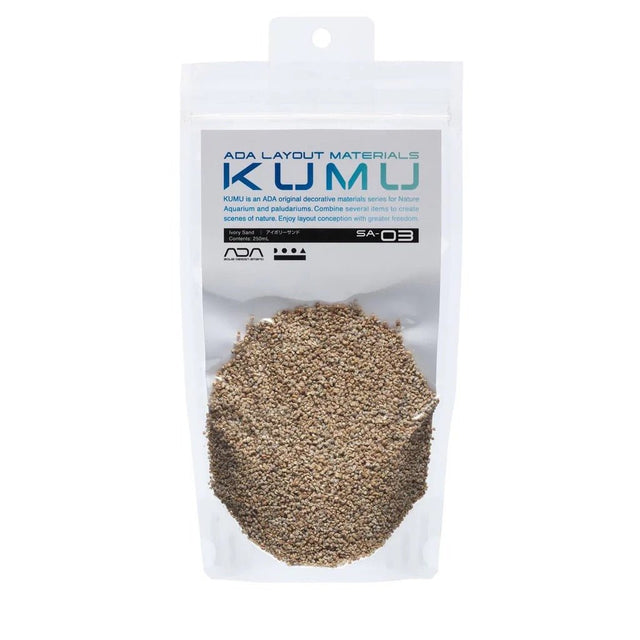
Default Title
View product →
Default Title
View product →
Default Title
View product →
Default Title
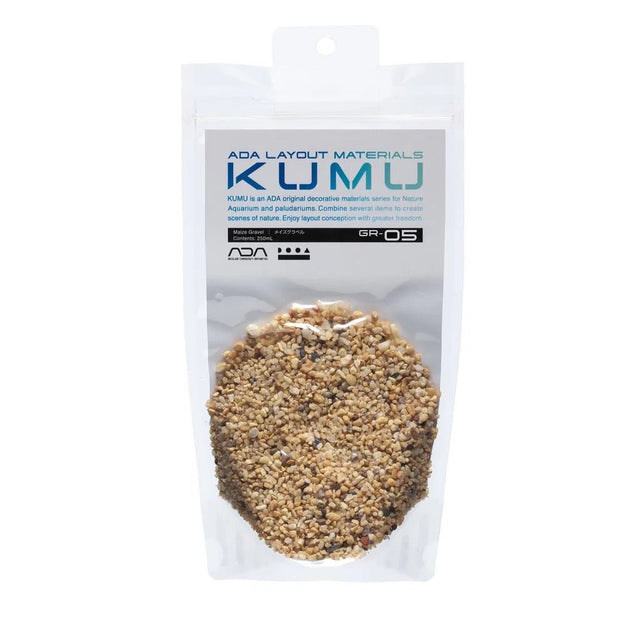
View product →Texture and structure. Add root nutrition as needed.
Default Title
View product →
2Kg · 8Kg
View product →
Default Title
View product →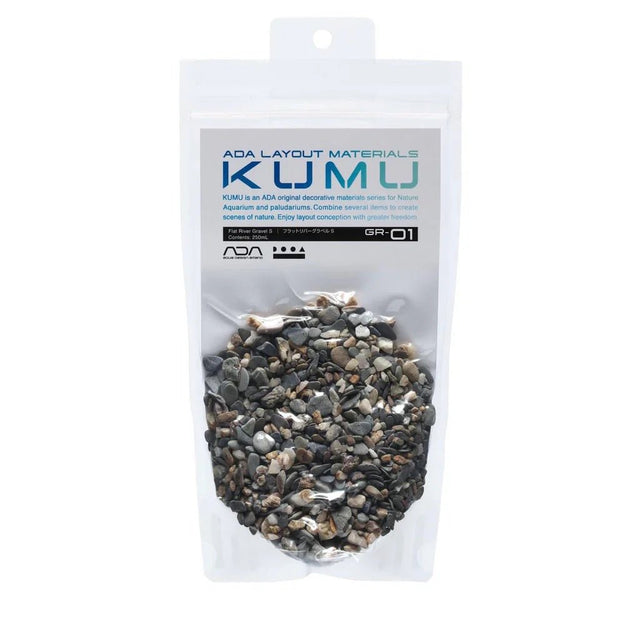
Default Title
View product →
Default Title
View product →
Default Title
View product →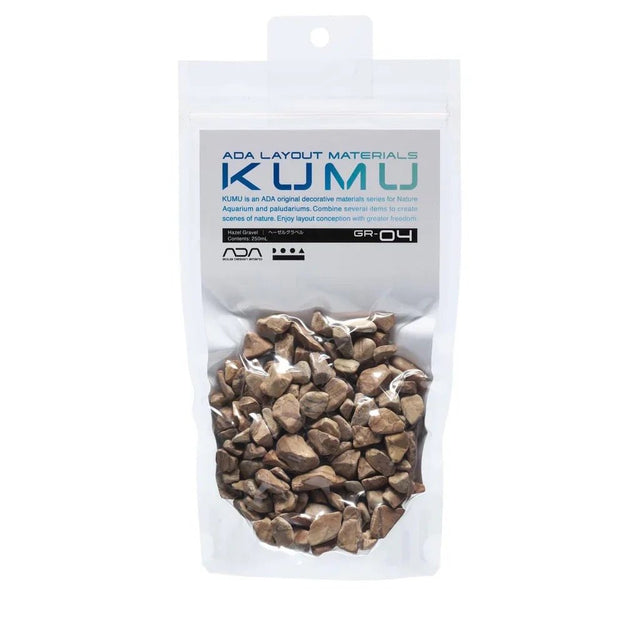
Default Title
View product →Calculate only the base-layer thickness. These are not the full planting bed.

Small 2L · Medium 6L · Large 6L
View product →
Substrate 1L · Substrate 2.5L · Substrate 5L
View product →For above-water layouts and drainage layers; follow the product’s application guidance.
700ml · 2L
View product →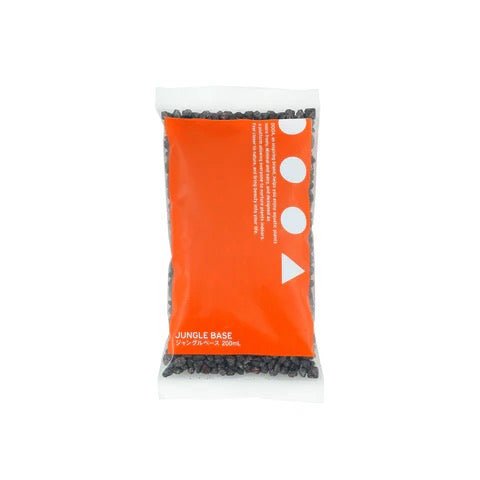
Default Title
View product →Use each product’s dosage instructions, rather than the substrate-volume formula.

10 pack · 50 pack
View product →
Small (18 caps) · Large (54 caps) · Mini
View product →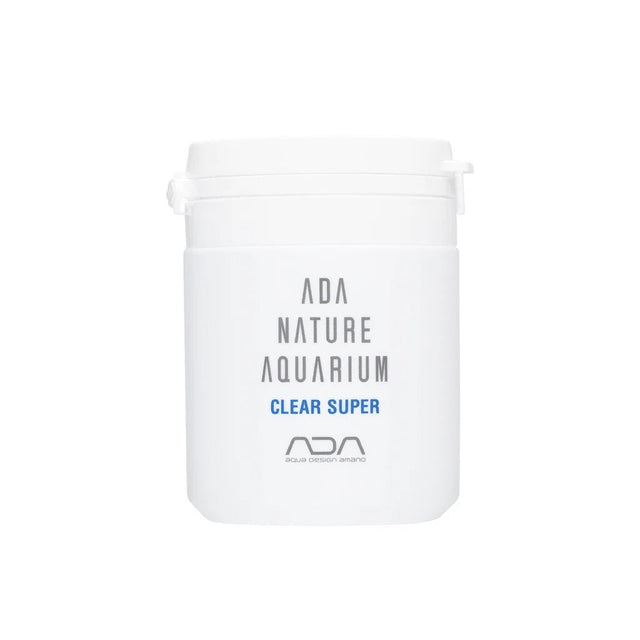
Default Title
View product →
Default Title
View product →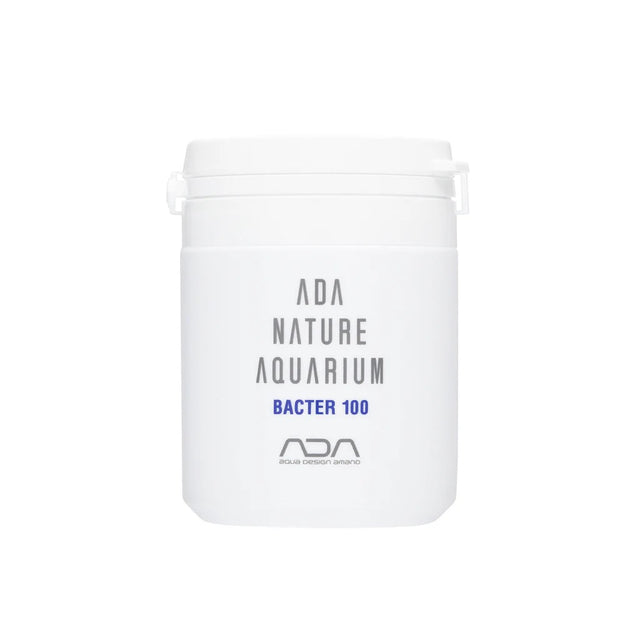
Default Title
View product →
Default Title
View product →
Default Title
View product →
Default Title
View product →
Default Title
View product →03 / THE ADA SUBSTRATE SYSTEM
Amazonia is the main planted bed. Power Sand Advance is a nutrient-rich base beneath it. Powder can be used as a finer surface or in a small aquarium.
Illustration only; layers are not to scale. Calculate each layer separately so the base and surface are not counted twice.
Check the product instructions and bag label when planning your ADA layers.
04 / SHAPE YOUR AQUASCAPE
A shallow front and deeper back adds depth. Steep banks need support to stay in place.
Use securely placed rocks or suitable retaining materials to hold height and reduce soil movement.
Separate sand and soil with discreet borders. Allow for some mixing during maintenance.
Swords, Cryptocoryne, and many carpeting and stem plants benefit from root nutrition. Add root tabs as needed in inert substrates.
Examples use a 4 cm front / 8 cm back slope over the full footprint, before allowance. Use the calculator for your own layout.
| Tank footprint | Base volume | With 10% allowance |
|---|---|---|
| 45 × 27 cm | 7.29 L | 8.02 L |
| 60 × 30 cm | 10.80 L | 11.88 L |
| 75 × 35 cm | 15.75 L | 17.33 L |
| 90 × 45 cm | 24.30 L | 26.73 L |
| 120 × 45 cm | 32.40 L | 35.64 L |
| 150 × 60 cm | 54.00 L | 59.40 L |
05 / GOOD TO KNOW
Yes. Suitable sand and gravel can support plants when roots receive nutrition from root tabs and/or fertilisation. Aquasoil is a convenient nutrient-rich option, not the only way to grow plants.
Yes. Use soil in planted areas and sand in open areas. Estimate each area separately using the coverage percentage; do not count both materials across the whole tank unless they are separate layers.
It varies with the product, plants, and maintenance. Nutrients deplete over time and grains can break down. Supplement nutrition as needed; replace soil based on its condition rather than a fixed expiry date.
Yes. Large rocks, raised supports, and uneven terrain displace substrate. The calculator uses a simple average-depth bed, so treat it as a planning estimate and adjust for your actual layout.
Bag weight per litre varies with grain size, material, packing, and moisture. This tool assumes 1.6 kg/L for sand and 1.5 kg/L for gravel. Check product coverage guidance and allow for variation.
Follow the ADA instructions for your exact product. Amazonia soil is generally used without rinsing; fill gently to avoid disturbing the bed. Decorative sands and gravel have different preparation instructions.
It is an optional base for this planning guide, not a replacement for the soil layer. Follow ADA’s system instructions if using it. Calculate its volume separately and select granule size by aquarium water depth.
Manufacturer references: ADA Aqua Soil · ADA Power Sand
Loding your saved items